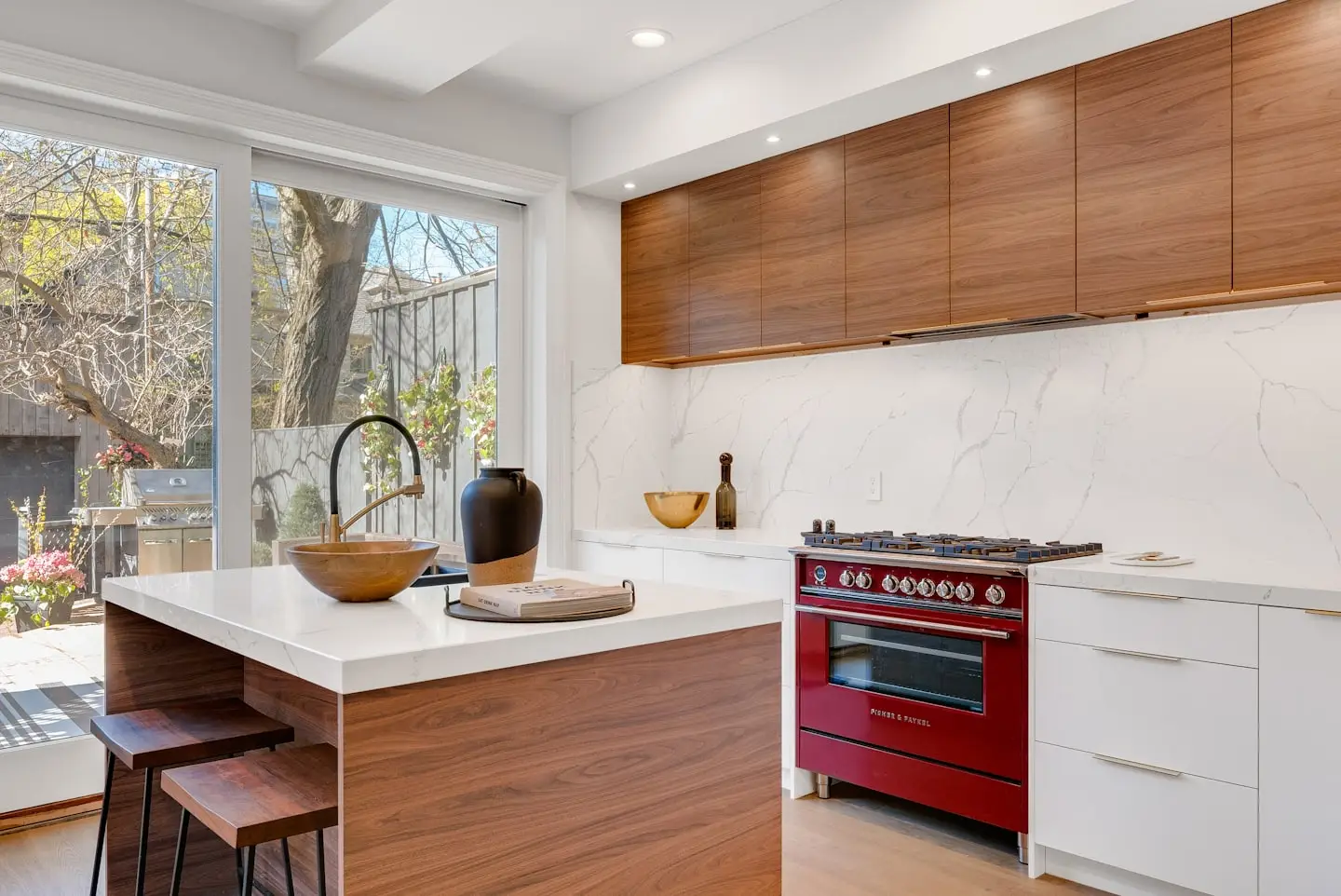
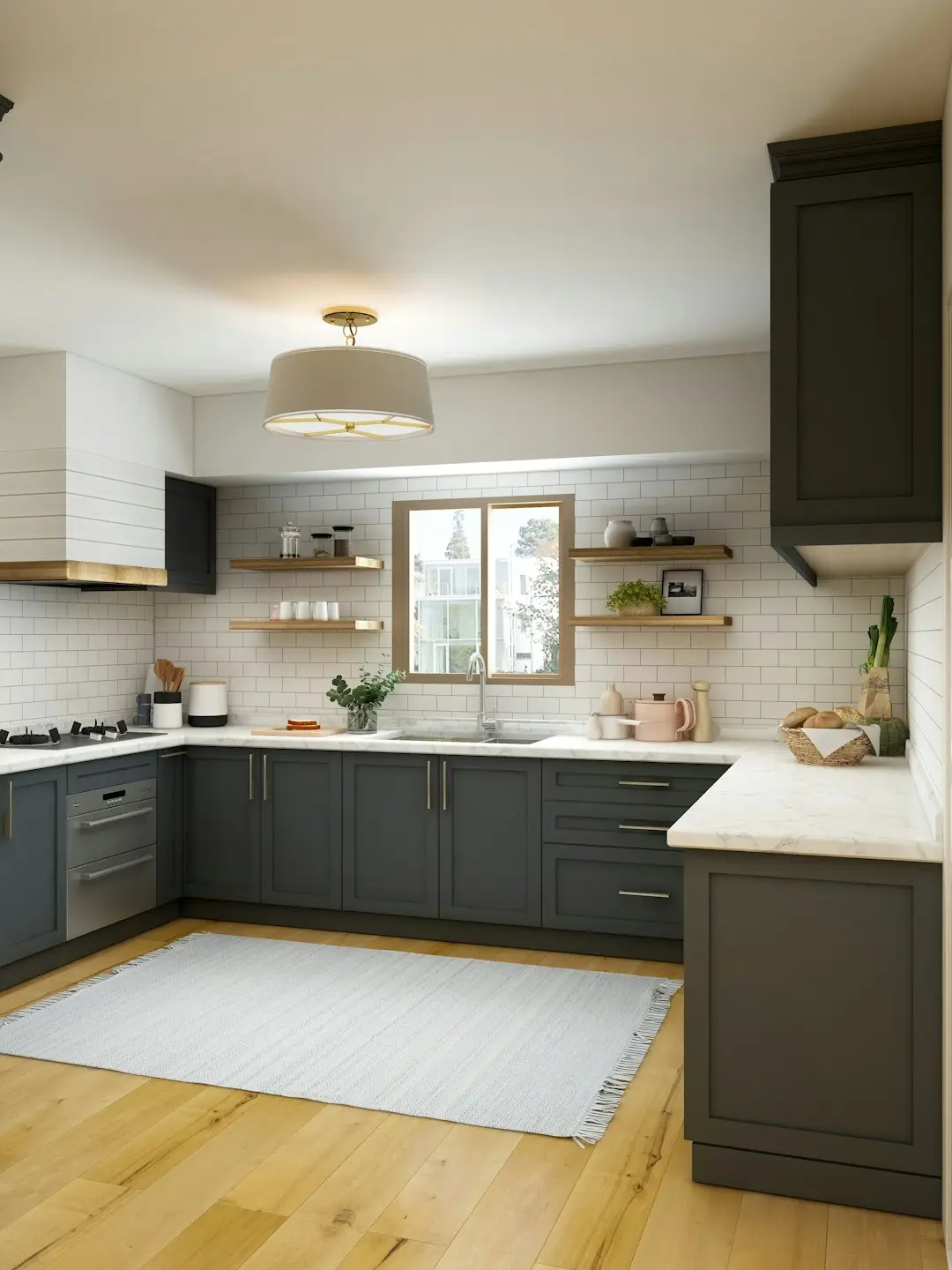
When homeowners ask, “How much should I spend on a kitchen renovation?” they’re usually expecting a number.
$20,000?
$50,000?
$100,000?
But after more than 50 years in construction, renovation, and kitchen design, I can tell you this:
👉 The biggest mistake isn’t overspending—it’s misunderstanding what a kitchen renovation actually costs today.
Let’s break this down properly.
The Reality: Costs Have Changed (And Social Media Isn’t Helping)
Over the past five years, the cost of materials used in kitchen renovations has more than doubled in many cases.
At the same time, homeowners are being exposed to:
- Social media posts showing “complete renovations”
- Ads that highlight only cabinetry pricing
- Photos of high-end kitchens without context
The problem?
👉 Those posts often include:
- Custom cabinetry
- Quartz countertops
- Premium appliances
- Electrical and plumbing upgrades
…but the price being advertised is only for one component.
This creates a completely unrealistic expectation before the project even begins.
“We Don’t Have a Budget”… (But You Actually Do)
One of the most common conversations we have goes like this:
Client says:
“We don’t really have a budget—we don’t know what it costs.”
So we build a preliminary estimate based on what they’ve described.
Then the response is almost always:
“Oh… we thought it would be around $____.”
👉 Which tells us something important:
You always have a budget—you just haven’t been given the right information yet.
A Better Way to Think About Budget: Start With the “Why”
Before we ever talk numbers, we ask:
- Why are you doing this renovation?
- What do you want the space to feel like?
- How will you use the kitchen?
Because the truth is:
👉 Budget should follow purpose—not the other way around.
A kitchen designed for:
- Large family gatherings
- Entertaining
- Daily cooking and lifestyle use
…will be very different from a kitchen designed to:
- Prepare a home for resale
- Freshen up an outdated space
Understanding Kitchen Renovation Levels (What You’re Actually Paying For)
Most kitchen renovations fall into three main categories:
1. Refresh / Facelift
This is where the structure of the kitchen remains the same.
Typical upgrades include:
- New cabinet doors (existing boxes remain)
- Quartz countertops
- New handles and hardware
- Updated backsplash
👉 This is the most cost-effective way to modernize a kitchen without major disruption.
2. Mid-Range Renovation
Now we start adding:
- New flooring
- Minor cabinet modifications (e.g., deeper fridge panels)
- Upgraded appliances (counter-depth fridge, OTR microwave)
- Venting improvements
What many homeowners don’t realize:
👉 Appliance upgrades often trigger additional cabinetry and labour costs.
3. High-End / Full Custom Renovation
This is where the real transformation happens.
It may include:
- Full redesign of the layout
- Removal of walls
- Relocation of plumbing and electrical
- Upgraded lighting plans
- HVAC adjustments
- New windows
- Built-in appliances (wall ovens, cooktops, gas conversion)
👉 At this level, you are no longer “updating a kitchen”—you are rebuilding it properly from the inside out.
The Biggest Hidden Cost: Finish Selections
One of the most misunderstood parts of a kitchen renovation is this:
👉 The finishes you choose will dramatically affect your final cost.
For example:
- Quartz countertops are now a preferred choice—but they come at a premium cost per square foot
- Cabinet construction matters:
- Plywood vs particle board
- Maple dovetail drawers vs basic interiors
- Accessories add up quickly:
- Pull-out systems
- Pantry towers
- Soft-close mechanisms
These are not “extras”—they define the quality and longevity of your kitchen.
So… How Much Should You Spend? (The Honest Answer)
Here’s how we guide our clients.
Step 1: Are You Staying or Selling?
- If you’re preparing to sell:
- We look at the condition of the entire home
- We avoid overbuilding beyond the market
- If you’re staying long-term:
- We design for lifestyle, comfort, and longevity
Step 2: Are You Doing This Once—or Twice?
Many clients tell us:
“We’ve put this off for years… now we want to do it right.”
And that matters.
Because:
👉 Doing it properly once often costs less than doing it twice.
Especially as:
- Material costs continue to rise
- Life expenses (kids, retirement, etc.) increase over time
Step 3: How Will You Use the Space?
This is the most important question of all:
- How often do you cook?
- Do you host family gatherings?
- Is this the centre of your home?
👉 The more the kitchen is used, the more important it becomes to invest in it properly.
Final Thought: This Isn’t About Spending More—It’s About Spending Right
A kitchen renovation is not just a purchase.
It’s:
- A lifestyle upgrade
- A structural project
- A long-term investment
And the right budget isn’t a random number.
👉 It’s the result of:
- Understanding your goals
- Knowing what things actually cost
- Designing the space properly from the start
If You’re Planning a Kitchen Renovation…
At Supreme Kitchen & Bath Design Centre, we don’t start with a price.
We start with:
- Your vision
- Your lifestyle
- Your long-term plan
Then we build a kitchen that fits all three—properly, and realistically.